Many companies publish regularly, invest time in content, build a following and even get a decent number of views, but at some point they all arrive at the same question:“Okay, but where are the customers?”
The truth is that simply having a social media presence is not a marketing strategy. Publishing is not a strategy either. Even a large number of followers is no guarantee that social media is delivering real value for the business.
For social media to work, there needs to be a connection between who we want to reach, what we tell them, why we tell them and what we expect them to do next.In this guide, we’ll explore how a business can build exactly this kind of system – from choosing the right social networks and creating content to measuring results and turning attention into real enquiries and sales.
Why is social media important for business?
Years ago, a business page on social media was often just an add-on to a website.Today, for many people, it is one of the first places they check when researching a business.They see an ad and open Instagram.They find a company on Google and check Facebook.They receive a recommendation and browse the profile.They come across a LinkedIn post and only then visit the website.This means social media is not always where the sale itself happens. Very often, it is part of the journey towards it.
A potential customer may see your business several times before deciding to contact you.And this is exactly where social media can serve several different functions:
- build awareness;showcase your products or services;demonstrate expertise;build trust;show real results and reviews;stay connected with existing customers;drive traffic to the website;generate enquiries;support paid advertising campaigns;turn an unfamiliar business into a recognisable brand.
Especially for B2B companies, social media has long been more than just a place for “posts”. LinkedIn, for example, identifies social channels as a key part of B2B content distribution, while professional audiences use the platform specifically to find information, expert content and solutions.
Which social networks should your business be on?
One of the most common mistakes we see is the desire for a business to be everywhere.Facebook? Of course.Instagram? Absolutely.TikTok? Everyone is there.LinkedIn? We’re a business, after all.YouTube? Let’s add that too.Suddenly, one person is trying to create content for five different platforms without having enough time to develop even one of them properly.The better question is not:“Which social network is the most popular?”But rather:“Where are the people we want to reach, and what type of content do they expect to find there?”
Facebook for Business
Facebook is often underestimated as a business platform, especially when the conversation focuses mainly on Instagram and TikTok. The truth, however, is that it continues to play a significant role for many companies – both for organic presence and paid advertising. It can be particularly powerful for businesses serving a broader consumer audience, local services, online stores, events, and products where customers do not make a decision after a single impression.
Facebook is useful for: local businesses; services; online stores; restaurants and dining establishments; events; family-oriented products; companies with active communities; businesses using Meta Ads; brands that rely on remarketing and reaching users again.
One of Facebook’s strengths is that it combines several different functions in one place. A business can have its own page, publish content, communicate through Messenger, build an audience, use groups, run ads, and track how people interact with the brand. That is why, for many businesses, Facebook should not be viewed solely as a place for organic posts. Very often, its true strength lies in the combination of content and paid advertising.
Facebook as a Sales Channel
For online stores, for example, Facebook can be extremely effective when ads are properly structured and targeted to the right audience. We see exactly this in our work with the online store Zhivana.bg. For them, Facebook and Meta ads are among the channels that generate the strongest engagement and actual sales. The reason is not simply that “we run an ad,” but that the advertising works together with the content, product pages, and audience behavior. For example, when presenting a specific product, we do not rely on a single product image with a price. We work with different types of content – educational posts, seasonal topics, product highlights, carousels, and visuals that show the product in context.

This way, the user does not see only: “Here’s a product. Buy it.” Instead, they get a reason to understand: what the product is for; when it could be useful to them; how it fits into their everyday life; why they should choose this particular product; which other products could complement it. And this is exactly where Facebook works well as part of a larger system. Someone may first see a helpful post, then an ad for a specific product, then visit the website, and only make a purchase during a subsequent interaction. In other words, a sale does not always begin and end with a single post.
Paid Advertising Does Not Work Alone
This is an important clarification. Many businesses expect sales to start automatically once they launch Meta Ads. But advertising cannot compensate on its own for: an inferior product; an unclear offer; an unsuitable audience; a poor product page; a lack of trust; unconvincing content; an overly complicated ordering process. At Zhivana, for example, advertising performs better precisely when it is part of an integrated system – content, product pages, seasonal campaigns, and clear product messaging. This is an important principle for every online store:
Do you want social media to bring you more than likes?
Practical ideas, strategies, and real-world examples of social media, advertising, and digital marketing – delivered straight to your inbox.
Instagram for Business
Instagram is a highly visual platform and is particularly well suited to businesses whose product, result, or experience can be shown. For example:cosmetics;fashion;food;sports and fitness;interior design;tourism;beauty;home products;personal brands;creative services.
But Instagram is not just a “beautiful feed.” Reels, Stories, carousels, direct messages, comments, and customer-generated content can each play different roles in a marketing strategy. A Reel can reach a new audience. A carousel can explain a complex topic. A Story can show the day-to-day life behind the business. And a well-structured profile can give a new visitor enough information to take the next step. But there are businesses for which Instagram can do something even more powerful: sell not just the product or service, but the feeling surrounding it.
When We Sell an Experience, Not Just a Service
A good example from our work is Studio Reformer Vibe – a Reformer Pilates studio in Sofia. When developing the studio’s content, we do not want the profile to simply say: “We offer Reformer Pilates workouts.” That is the service. But it is not the whole reason a woman would want to book it. That is why our communication is built around the question: “How do we want someone to feel when they see this content?”
And more importantly: “How do we want her to imagine she will feel when she’s in the studio?” Calm. Time for herself. Movement. Caring for her body. A sense of strength and confidence. A small moment in her day that is just for her. That is the emotion we aim to carry from the studio experience itself into the content on Instagram.
Visual identity sells too
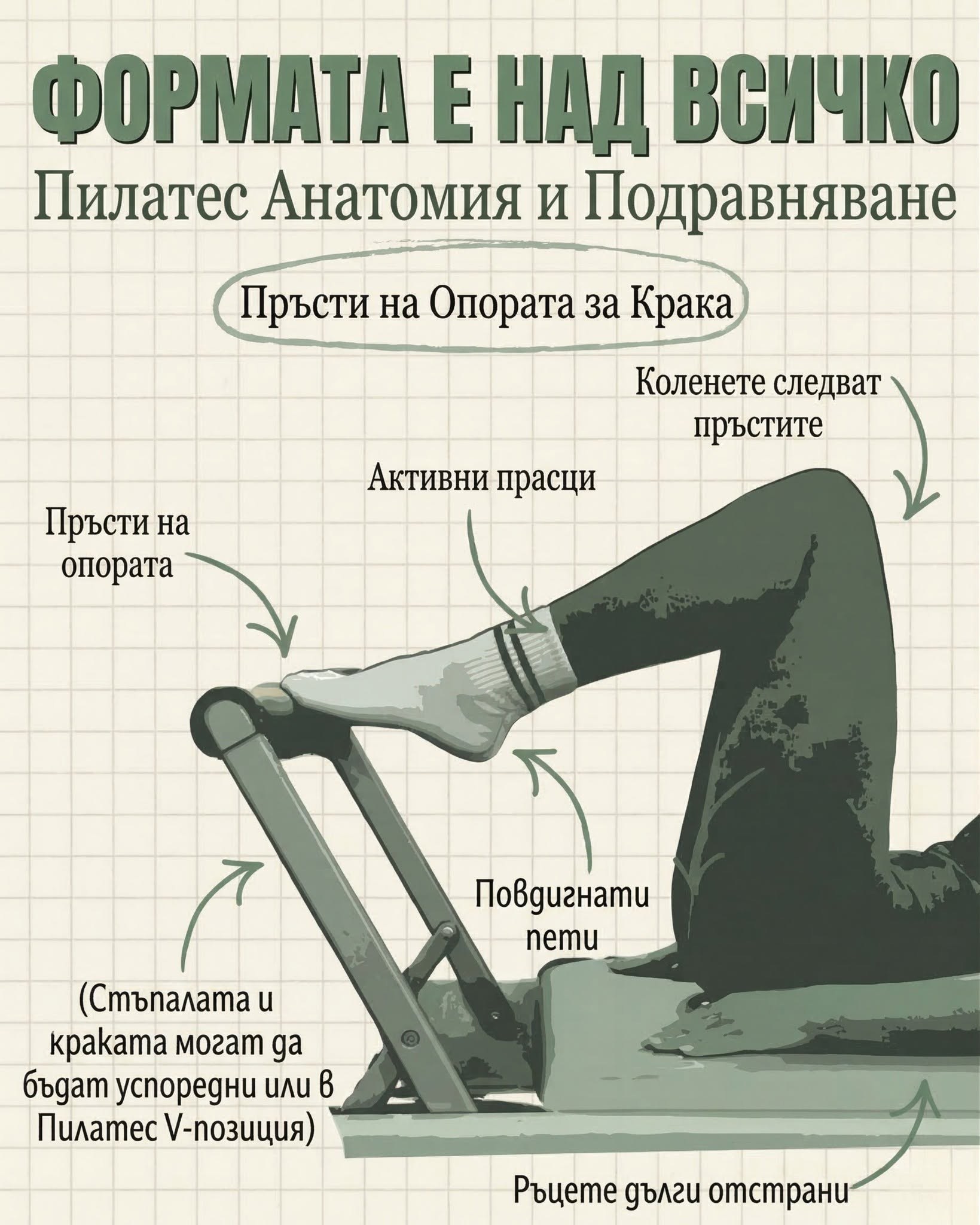
At Studio Reformer Vibe, we focus on aesthetic, inspiring Pinterest-style visuals that naturally fit the way our target audience consumes content on Instagram. We don’t just show the equipment. We show the atmosphere around the workout. We don’t just talk about exercises. We talk about how movement can make you feel. We don’t try to make every post directly sell an available time slot. We create the desire to be part of this experience. And here, beautiful visuals are not merely decoration for the marketing. They are part of the marketing message itself.
From inspiration to an actual booking
Of course, aesthetics alone are not enough. We can have a beautiful Instagram profile that people enjoy browsing, but never take action. That is why visual content needs to work together with clear communication—what workouts are available, who they are suitable for, what they involve, what a new client can expect and, most importantly, how they can book a session. At Studio Reformer Vibe, we see that this type of visual communication delivers more than likes and views—it supports real workout bookings. This is also one of Instagram’s greatest strengths for businesses: someone may first like the way a brand looks, then like the way it makes them feel, and only then decide to become a customer.
LinkedIn for B2B businesses
If you sell to other companies, LinkedIn deserves special attention. This is an environment where content can be linked much more directly to expertise, business solutions, professional experience and personal brand building. Unlike platforms such as Instagram and TikTok, where visual content is often the main focus, on LinkedIn a good idea, an interesting perspective or real professional experience can be enough to start a conversation.
And conversation is precisely one of the platform’s greatest opportunities. LinkedIn should not be viewed solely as a place where companies post team news, job openings and photos from yet another corporate event. For B2B businesses, it can be a genuine channel for building trust, creating professional connections and reaching potential partners and clients.
People connect with people more easily than with logos
And here is something many companies overlook: People connect with people more easily than with logos. We may follow a company’s corporate page, but we usually find it much easier to connect with the person behind it. That is why, in B2B marketing, it often makes sense to develop both: the corporate page; the personal profiles of founders, specialists or key team members. The two should not compete. On the contrary—they can serve different roles. The corporate profile builds the company’s presence and showcases its services, projects, news and brand positioning.
Personal profiles give the company a face, an opinion and character. And that is where something can happen that is difficult to achieve through a series of corporate posts—the potential client may start following the way you think, even before they need your services.
Not every post needs to sell
In fact, one of the biggest mistakes on LinkedIn is making every post sound like a presentation of your services. If every post ends with: “We can help you.” “Get in touch.” “Request a quote.” “Book a consultation.” …your profile very quickly starts to look like an advertising brochure. On LinkedIn, we can talk about much more.
For example: problems we observe in our industry; lessons from real-world work; decisions we have made; mistakes and what we learned from them; market changes; professional opinions; practical advice; interesting case studies; the process behind a project; questions on which a professional audience has something to say. This content does not directly say “buy from me.” It says: “Here’s how I think. Here’s how I work. Here’s how I understand the problem.”
LinkedIn can build trust long before an enquiry
With B2B services, the purchase decision is not always impulsive.
Someone may read one of your posts today, come across another in two weeks, follow you, visit your website a month later and only message you when a genuine need arises.
This makes LinkedIn particularly interesting for businesses with a longer decision-making process.
Not every post needs to generate an enquiry that same day to be useful.
Sometimes its purpose is simply to ensure that when, at some point in the future, someone thinks:
“I need someone who understands this,”
your name is one of the first that comes to mind.
On LinkedIn, simply posting is not enough
The platform is a social network—and the word “social” matters here. Posting is only one side of the equation. Commenting on other people’s content, taking part in professional discussions, replying to comments under your own posts and building a relevant network of connections are also part of your presence. This does not mean randomly adding hundreds of people and sending them five minutes later: “Hi, I saw your profile and decided to connect…” We have all received that message. 😄 A gradually built network of people with whom we share a professional context and a genuine reason to communicate is far more valuable.
What kind of content belongs on LinkedIn?
Depending on the business, we can use: expert posts; personal professional stories; analyses and observations; case studies; project results; short practical tips; polls and discussions; articles; documents and carousels; video; company news, when it is genuinely interesting to the audience. Most importantly, the content should have a clear position and a reason to be published. It doesn’t have to sound overly corporate to be professional. In fact, human language, specific experience, and a clear point of view are sometimes exactly what make a post much more convincing.
LinkedIn isn’t just for big companies
The platform can be particularly valuable for small B2B companies, agencies, consultants, freelancers, and specialists. When we don’t have a huge advertising budget or a well-known name, expertise can become a marketing asset in its own right. Instead of simply claiming that we understand a particular field, we can prove it consistently through our content. LinkedIn reports that the platform has more than 1.2 billion members and over 130 million decision-makers. But the size of the audience is not the most interesting part. What matters more for B2B businesses is which people we can reach there and in what context we encounter them. Because on LinkedIn, we are not simply competing for one more like. With the right strategy, a post can start a conversation. That conversation can create a connection. And over time, that connection can become a partnership or a client. That is precisely why LinkedIn should be viewed not simply as a place to publish, but as a place to build professional relationships.
TikTok for business
TikTok can deliver enormous visibility, but that doesn’t mean every business should immediately start filming three videos a day. The platform works best when a company can create content that is:natural;dynamic;useful;entertaining;easy to consume;aligned with the platform’s language.
Uploading a television ad in vertical format and calling it a TikTok strategy usually isn’t enough.TikTok has its own way of communicating. Users are used to content that feels more natural, gets started quickly, holds their attention, and doesn’t feel like a traditional ad. And that can be the challenge for businesses.
On TikTok, content comes before the brand
On many other channels, people know the company first and then see its content. On TikTok, the opposite often happens. Someone may never have heard of your business, but come across one of its videos because they are interested in the topic. If the video manages to hold their attention, they may visit the profile, view more content, and only then discover who is behind it. This gives smaller or relatively unknown brands the opportunity to reach people beyond their existing audience. But it also means something else: A logo in the first two seconds is not a reason for someone to keep watching. The content is.
What can a business post on TikTok?
There is no need for every video to be a complex production. On the contrary—depending on the nature of the business, we can use: short practical tips; answers to frequently asked questions; product demonstrations; “before and after” content; the process behind a particular service; behind-the-scenes footage; reactions to common mistakes; myths and facts; stories from real-world experience; educational content; humour related to the specific niche; current formats and trends, when they genuinely suit the brand. For example, a beauty brand can show how to use its products. A restaurant can show how a particular dish is prepared. A specialist can answer real questions from their customers. An online store can present products in everyday situations instead of simply showing a photo and a price. And a service business can use short videos to showcase its expertise and the people behind the company.
Businesses don’t have to dance
This is probably one of the biggest concerns companies have when it comes to TikTok. “Does that mean we have to dance in front of the camera?” No. You don’t have to take part in every trend. The owner doesn’t have to perform sketches if that has nothing to do with the nature of the business. And you certainly don’t have to copy a format just because another video went viral. Trends can be a tool, but they should not be the entire strategy. It is more important to find a way of communicating that feels natural on TikTok while remaining recognisable as your brand.
The first few seconds matter
TikTok is an environment filled with content, and the next video is just one swipe away. That is why the opening matters so much. Instead of a long introduction: “Hello, we’re Company X and we’ve been offering… for more than 15 years” we can start directly with the question or problem: “Here’s the mistake we see most often…” “If you’re doing this, you’re probably losing…” “Three things you need to know before you…” “A client asked us something really interesting…” This isn’t necessarily about sensational headlines or clickbait. It’s about quickly giving people a reason to stay.
Views don’t equal sales
This brings us back to one of the most important distinctions in marketing. A video with 100,000 views looks impressive. But if the business goal is to generate leads, we need to look at what happens after the view. Do people visit the profile? Do they browse the rest of the content? Do they click through to the website? Do they send a message? Do they remember the brand? Do they buy? A video with fewer views that reaches the right audience can have far greater business value than a viral video watched by hundreds of thousands of people who will never need the product.
A social media strategy starts before the first post
“What are we going to post this week?”That is an important question.But it shouldn’t be the first.Before it come several others:What is our goal?Who do we want to reach?What problem are we solving for this person?How do we want them to perceive us?What should they do after encountering our content?
Without these answers, social media can easily turn into an endless calendar:Monday – an inspirational quote.Wednesday – a product photo.Friday – “Have a great weekend!”And then we all stare at Meta Business Suite, hoping that somewhere between the three posts, a marketing strategy has mysteriously appeared.It hasn’t.
Define the business goal
Different goals require different content.For example:If the goal is brand awareness, we’ll aim for greater reach, memorable content and a clear identity.If the goal is trust, we’ll use expert content, case studies, opinions and evidence.If the goal is website traffic, the content should naturally give people a reason to continue to the website.If the goal is enquiries, we need to build a path from the content to a specific action.One post can serve more than one purpose, but not every post needs to do everything at once
What should we post on our business’s social media?
This is probably one of the most frequently asked questions.And the answer isn’t “Reels”.Reels is a format.It isn’t an idea.A good content strategy includes different types of posts that serve different purposes.
1. Educational content
Answer the questions your customers are already asking.If you sell air conditioners:“What type of air conditioner is suitable for a 25 sq. m room?”If you’re an accountant:“When does a company need to register for VAT?”If you run a Pilates studio:“What should you expect from your first Reformer workout?”If you’re a digital agency:“Why does the ad get clicks but no enquiries?”This type of content both helps people and demonstrates expertise.
2. Problem-solving content
There is a difference between:“We offer social media management.”and:“You post regularly, but your profile isn’t generating a single enquiry? Here are three places we’d check first.”The second starts with the customer’s situation.That is a huge difference.
3. Trust-building content
This can include:customer reviews;case studies;results;your working process;before/after;behind the scenes;real team members;specific examples.You don’t need to keep saying that you’re good.Show people why they would reach that conclusion themselves.
4. Product and sales content
Yes, you can sell.In fact, you should.The problem isn’t sales content; it’s when all your content is sales content.If every post says:“Buy.”“Book.”“Order.”“Contact us.”…after a while, the profile starts to look more like a catalogue than a communication channel.Show the product, but also show why it’s useful, who it’s suitable for, how it’s used and what problem it solves.
5. Human content
Businesses have people.And people are interesting.Show the process, the mistakes, the decisions, the office, the preparation, the story behind a product or even something that didn’t go according to plan.Especially for services, this can create a much stronger connection than yet another stock photo of two people shaking hands over a laptop.
6. Engagement content
Questions, polls, discussions and topics that the audience genuinely has an opinion on can turn a one-way channel into a community. The key word here, however, is genuinely. “Coffee or tea? Tell us in the comments!” makes little sense for an industrial software company—unless we’ve discovered a surprisingly strong connection between ERP systems and cappuccino.
How often should a business publish?
There is no universal number. And that is probably the more annoying—but more accurate—answer. It is better to publish three high-quality pieces a week with a clear purpose than seven posts created simply to fill the calendar. Frequency depends on:the platform;available resources;the type of business;the amount of quality content you can create;audience behavior;marketing goals;whether you use organic content, paid advertising or a combination of both.
Consistency matters more than short bursts of intense activity. Fifteen posts in January followed by complete silence until April rarely build a sustainable presence. Create a schedule you can realistically maintain.
Why do we have followers and views but no customers?
This is where marketing gets interesting. The post has 20,000 views. Great. But what happened after those 20,000 views? That does not diminish the value of reach. Awareness matters. It simply means that reach and revenue are not the same thing. Here are several reasons social media can look successful on the surface without producing business results.You are reaching the wrong audience100,000 views from people who will never buy your product may be less valuable than 2,000 views from the right audience. Viral content is great when the right people are part of the virality.
Your profile does not explain what you offer
Imagine that we see an interesting Reel and open the profile. What do they sell? Who is it for? Where do they operate? How can I buy? Nothing is clear. People will not start an archaeological dig through Highlights from 2023 to find out. A strong bio, clear pinned posts, relevant Highlights and an easy path to the website or contact details can make a huge difference.
Your content attracts attention but does not build desire
Entertaining content can generate views. But if, a month later, someone remembers the joke rather than the company that posted it, we have a problem. Content should gradually connect:problem → solution → expertise → brand.There is no next stepWhat should the person do? Explore the product? Read an article? Request a quote? Book an appointment? Sign up? Not every post needs an aggressive “BUY NOW,” but the overall system needs to have direction.
Social media and your website need to work together
This is especially important. Social media should not be an island. Imagine the following situation:You see a useful post.You like the way the company communicates.You open the profile.You click the link to the website.And you land on a slow page where you cannot figure out what the company offers.Marketing does not end with the click. It has simply moved the user to the next step. That is why social media, advertising, content and the website should be viewed as parts of one system.
The same applies in the other direction. A good website article can be turned into a:LinkedIn post;Instagram carousel;several Stories;short video;newsletter;Facebook post;series of short expert posts.One good idea should not live only once.
Social media captures attention. Your website needs to finish the job.
If your marketing attracts people but your website does not turn them into enquiries and customers, it is time to look at the entire system rather than individual channels.
Explore web solutionsSocial media is the beginning, not the end goal
A successful social media presence does not start with the question “What should we post today?” but with a much more important one: “What do we want to achieve with this content?” The right platform, a strong visual style and regular posting are important, but they are not enough on their own. Real results come when social media is part of a larger system—connected to your website, advertising, content and actual business goals. You do not need to be everywhere. You do not need to post every day.
And you certainly do not need to chase every new trend just because “the algorithm wants it.” You need to know who you are speaking to, why you are speaking to them and what should happen next. That is when social media stops being just another task on the calendar and starts working as a real marketing channel. In our next articles, we will take a closer look at the individual parts of this system—how to build a content strategy, when paid advertising makes sense, which metrics really matter and how to track where your visitors and customers come from. Because good marketing is rarely hidden in a single post. It lies in the way all the parts work together.